
 Español
 Portugues
 Pусский
 Français
 Deutsch
 한국어
한국어 العربية
 Italiano
 Svenska
 Polski
 ไทย
ไทย Türk dili
 हिन्दी
 Tiếng Việt
 中文
中文 dansk
dansk қазақ
қазақ বাংলা
বাংলা فارسی
فارسی українська
 беларускі
 Suomalainen
 o'zbek
 Србија
 پښتو
پښتو საქართველოს
 Shqipëria
 Afrikaans
 Kikongo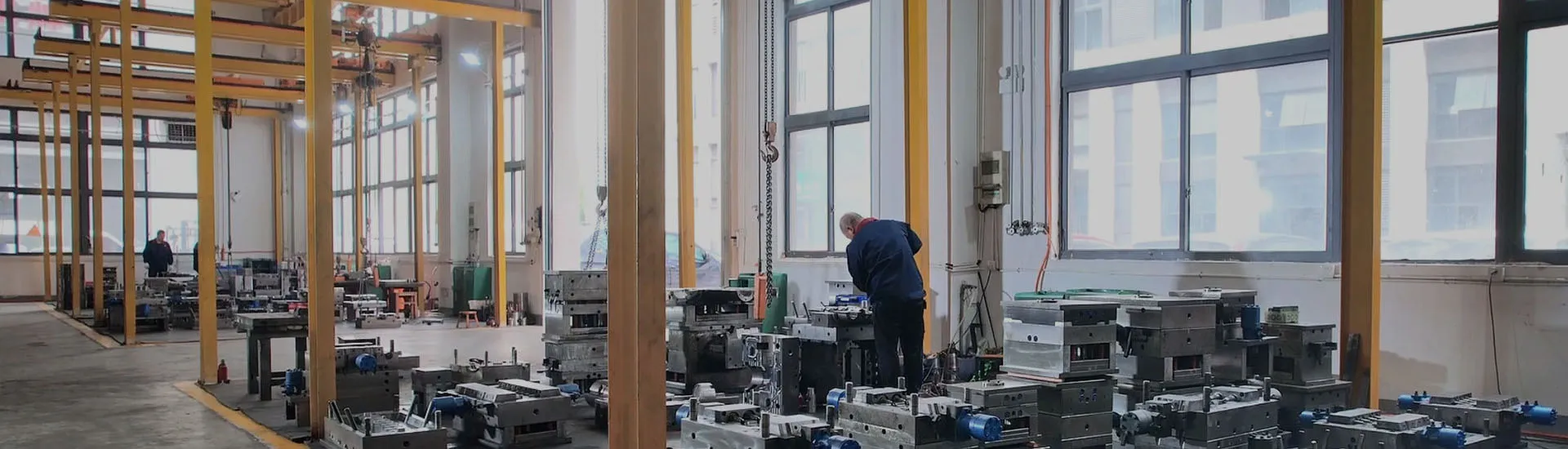
UPVC skew cross pipe fitting mould
UPVC Skew Cross Pipe Fitting Mould: Design and Manufacturing Overview A UPVC skew cross pipe fitting mould is a specialized tool used to produce skew cross fittings from unplasticized polyvinyl chloride (UPVC). These fittings are essential in plumbing and drainage systems, enabling the connection of pipes at non-perpendicular angles, typically 45° or 60°, to accommodate complex pipeline layouts. The mould must ensure precise dimensions, smooth internal surfaces, and high durability to meet industry standards. Key Features of the Mould 1. Material Selection The mould is typically made from high-grade tool steel, such as P20 or H13, hardened to withstand high-pressure injection molding cycles. The steel’s corrosion resistance and wear properties ensure a long service life, even when processing abrasive UPVC materials. 2. Precision Engineering The skew cross design requires accurate angular alignment between the intersecting channels. The mould incorporates CNC-machined cavities and cores to maintain tight tolerances (±0.05mm) for consistent fitting dimensions. Draft angles are carefully calculated to facilitate easy ejection of the molded part. 3. Cooling System Efficient cooling channels are integrated into the mould to regulate temperature during the injection process. Uniform cooling minimizes warping and reduces cycle times, enhancing production efficiency. 4. Ejection Mechanism The mould includes ejector pins or sleeves to smoothly remove the finished fitting without damaging delicate features like sealing ribs or chamfered edges. Proper ejection design prevents deformation and ensures part integrity. 5. Surface Finish The cavity surfaces are polished to a mirror finish (Ra ≤ 0.2µm) to produce smooth, burr-free fittings. This reduces friction in fluid flow and prevents debris accumulation in pipelines. Manufacturing Process 1. Injection Molding UPVC pellets are melted and injected into the mould under high pressure (800–1,500 bar). The material fills the cavities, forming the skew cross shape. 2. Cooling and Solidification The cooling system ensures even solidification, preventing sink marks or internal stresses. 3. Ejection and Finishing After cooling, the fitting is ejected, and any excess material (flash) is trimmed. Quality checks verify dimensional accuracy and pressure resistance. Applications Skew cross fittings are used in industrial drainage, sewage systems, and chemical pipelines where directional changes are required. The mould’s precision ensures leak-proof joints and long-term reliability. Conclusion A well-designed UPVC skew cross pipe fitting mould combines robust materials, precision engineering, and efficient cooling to produce high-quality fittings. Its durability and accuracy make it indispensable for modern piping systems.
Products
Category:
UPVC pipe fitting mold
No search results found!
News
Category:
-
[industry news]Understanding UPVC Skew Cross Pipe Fitting Mould : Innovatio...
2024-09-10 14:38:21
Case
Category:
Video
Category:
No search results found!
Download
Category:
No search results found!
Job
Category:
No search results found!
Featured Products
No search results found!




 WhatsApp
 Phone
Phone